Music & Shows
Music and live shows represent one of humanity’s most profound forms of cultural expression, connecting artists and audiences through shared experiences that transcend language and geography. Whether it’s the intimacy of a jazz club, the grandeur of an orchestral hall, or the electric energy of a festival crowd, these performances shape our cultural identity and provide moments of collective emotion that streaming services simply cannot replicate.
The landscape of music and shows has undergone remarkable transformation in recent years, blending centuries-old traditions with cutting-edge technology. Understanding this ecosystem—from how artists develop their craft to how audiences consume and experience performances—empowers you to engage more deeply with the art form, make informed choices about your entertainment investments, and appreciate the cultural significance of live performance in an increasingly digital world.
How Live Performances Create Unique Audience Experiences
The fundamental appeal of live shows lies in their unrepeatable nature. Unlike recorded music, which offers consistency, live performance delivers spontaneity, improvisation, and the palpable connection between performer and audience. This dynamic creates an emotional resonance that neuroscience research suggests activates different brain regions than passive listening.
Concert venues employ sophisticated acoustic design principles to optimize sound quality. A well-designed hall considers reverberation time, sound diffusion, and audience capacity to ensure every seat offers an immersive experience. Smaller venues trade acoustic perfection for intimacy, allowing audiences to witness artistic nuances—a guitarist’s technique, a vocalist’s breath control—that disappear in larger settings.
The collective experience amplifies individual enjoyment. Surrounded by others sharing your enthusiasm, the social dimension of live shows creates communal memories and reinforces cultural belonging. Festival attendees often cite this sense of community as more valuable than the music itself, explaining why multi-day events command premium prices despite logistical challenges.
Understanding Music Genres and Their Evolution
Music genres serve as organizational frameworks that help listeners navigate an overwhelming abundance of artistic output. However, these categories are fluid rather than fixed, constantly evolving through cross-pollination and cultural exchange.
Classical and Orchestral Traditions
Classical music encompasses centuries of Western compositional tradition, from baroque complexity to romantic expressionism. Orchestral performances require exceptional coordination among dozens of musicians, making them spectacular demonstrations of collective discipline. Contemporary classical composers continue pushing boundaries, incorporating electronic elements and non-Western instruments to expand the genre’s vocabulary.
Popular Music and Contemporary Forms
Pop, rock, hip-hop, and electronic music dominate current cultural conversations, reflecting contemporary social concerns and technological capabilities. These genres typically prioritize accessibility and emotional directness over formal complexity. The production techniques that define modern popular music—auto-tune, sampling, digital synthesis—have themselves become artistic tools rather than mere technical processes.
Jazz, Blues, and Improvisational Arts
Improvisational genres celebrate spontaneity and individual expression within structural frameworks. A jazz performance is simultaneously composition and invention, with musicians engaging in real-time musical conversation. This requires deep technical mastery and intuitive understanding among ensemble members, making live jazz particularly rewarding for attentive listeners who appreciate the creative risks involved.
World Music and Cultural Exchange
Globalization has enriched musical landscapes by facilitating cross-cultural collaboration. Afrobeat, K-pop, reggaeton, and countless other styles demonstrate how regional traditions gain international audiences while maintaining cultural specificity. This exchange raises important questions about cultural appreciation versus appropriation, challenging artists and audiences to engage respectfully with musical traditions outside their own heritage.
Theater Productions and Stage Performance
Musical theater and stage shows combine music, narrative, choreography, and visual design into comprehensive artistic experiences. Unlike concerts, which foreground musical performance, theatrical productions use music to advance storytelling and develop character psychology.
Successful stage productions require seamless collaboration among diverse specialists: composers, lyricists, directors, choreographers, set designers, and performers. The technical complexity of mounting a major production—coordinating lighting cues, set changes, and live orchestra with performers’ movements—represents a logistical achievement as impressive as the artistic one. Regional and community theater makes these experiences accessible beyond major metropolitan centers, nurturing local talent and providing cultural enrichment in diverse communities.
Festivals and Multi-Day Events
Music festivals have evolved from countercultural gatherings into major economic and cultural phenomena. These events offer several advantages over traditional concerts:
- Artist discovery: Festival lineups introduce audiences to unfamiliar performers they might never independently seek out
- Economic efficiency: Experiencing multiple artists over several days typically costs less per performance hour than individual concerts
- Destination experiences: Festivals create temporary communities with their own social dynamics and shared rituals
- Genre diversity: Curated lineups encourage cross-genre exploration, breaking listeners out of narrow stylistic preferences
However, festivals also present challenges: physical endurance requirements, weather exposure, sound quality compromises, and environmental concerns related to large-scale gatherings. The sustainability of festival culture depends on organizers addressing waste management, carbon footprints, and local community impact.
How Digital Platforms Are Reshaping Music Consumption
Streaming services have fundamentally altered how audiences discover and engage with music. For a modest monthly subscription, listeners access catalogs containing tens of millions of tracks—a breadth unimaginable in the physical media era. This abundance creates both opportunities and challenges.
Algorithm-driven recommendations can introduce listeners to artists aligned with their preferences, functioning as personalized radio programmers. However, these systems also risk creating echo chambers that reinforce existing tastes rather than encouraging genuine exploration. The most musically curious listeners actively resist algorithmic suggestions, using streaming platforms as tools for intentional discovery rather than passive consumption.
For artists, streaming presents a paradox. Global distribution democratizes access, allowing independent musicians to reach international audiences without traditional label infrastructure. Yet payment structures favor high-volume streaming, making it difficult for niche artists to earn sustainable income from recordings alone. This economic reality has reinforced the importance of live performance revenue and merchandise sales.
Developing Musical Literacy and Appreciation
Deeper engagement with music and shows doesn’t require formal training, but cultivating active listening skills enhances enjoyment significantly. Musical literacy begins with attentive listening—focusing on individual instrumental voices within ensemble pieces, noticing structural patterns like verse-chorus-bridge formats, and recognizing how dynamics and tempo create emotional effects.
Understanding basic music theory concepts enriches appreciation without diminishing emotional response. Recognizing a key change that elevates a song’s final chorus, or identifying the call-and-response pattern in a gospel performance, adds intellectual satisfaction to visceral pleasure. Many communities offer accessible music education through adult education programs, online courses, and lecture-demonstrations at concert venues.
Contextual knowledge also deepens engagement. Learning about an artist’s influences, the historical moment that shaped a composition, or the cultural traditions informing a performance style creates richer interpretive frameworks. Documentary films, artist interviews, and thoughtful music criticism serve as gateways to this contextual understanding.
Choosing and Evaluating Performance Venues
Venue selection significantly impacts your concert experience. Large arenas and stadiums offer spectacular production values—elaborate lighting, massive video screens, pyrotechnics—that create visceral excitement. However, sound quality often suffers in these spaces, with distant seating positions reducing performers to distant figures on screens.
Mid-sized theaters and concert halls typically provide optimal balance between production quality and acoustic integrity. These venues accommodate sophisticated sound systems while maintaining sightlines that preserve the human scale of performance. Many serious music enthusiasts consider these spaces ideal for appreciating artistic nuances.
Intimate clubs and small venues sacrifice production sophistication for proximity and atmosphere. Experiencing a performance mere feet from the artist creates connection impossible in larger settings. These venues also serve crucial roles in artist development, providing spaces where emerging performers build followings and refine their craft before graduating to larger stages.
Music and shows occupy a unique cultural position—simultaneously ancient and contemporary, deeply personal yet communally experienced, technologically mediated yet irreducibly human. Whether you’re drawn to the architectural grandeur of opera houses, the democratic energy of festivals, or the quiet intensity of solo recitals, engaging thoughtfully with live performance enriches both individual lives and collective culture. The journey from casual listener to informed enthusiast requires curiosity, openness, and the willingness to step outside familiar preferences—an investment that rewards you with lifelong discovery and joy.
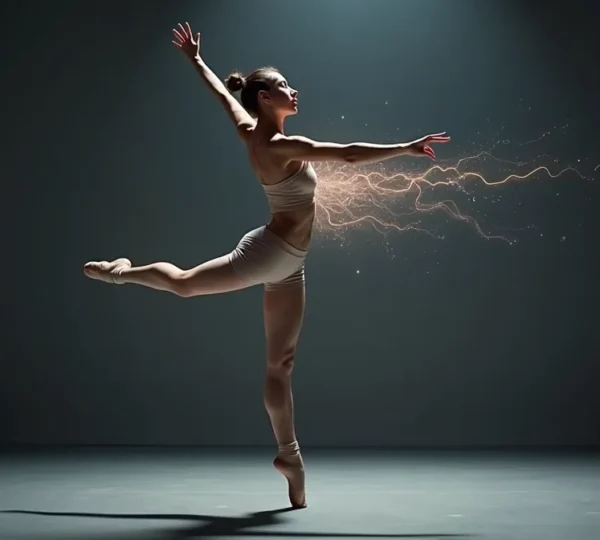
Why Watching Professional Dancers Triggers Your Own Motor Cortex?
Contrary to popular belief, watching a performance is not a passive activity; it is an active neurological workout that hijacks your brain’s motor pathways for a ‘vicarious rehearsal’. Your brain’s “mirror neuron system” simulates the movements you see, firing the…
Read more
Why a Live Play Affects Your Empathy Levels More Than a Movie
A live play is a high-intensity workout for your brain’s empathy circuits, an experience a movie’s passive format can never truly replicate. Minimalist stage design forces your brain to actively co-create the world, strengthening cognitive engagement. Watching live performers triggers…
Read more
Why You Forget the Setlist Immediately After a Great Concert?
Forgetting a concert isn’t a sign of a bad memory; it’s proof your brain was prioritizing the intense, in-the-moment experience over creating a detailed recording. Extreme volume and emotional highs create “cognitive overload,” forcing your brain to allocate resources away…
Read more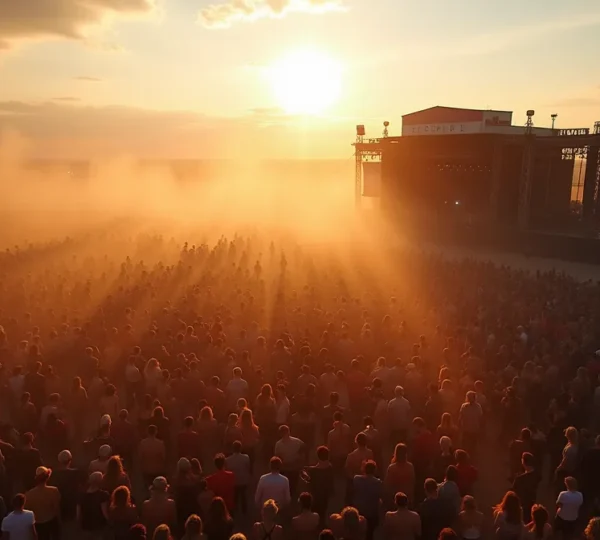
Why We Crave the Chaos of Festivals Despite the Physical Discomfort?
Contrary to popular belief, the unforgettable magic of festivals isn’t found *in spite of* the physical hardship—it’s forged *because of it*. Shared struggle acts as a social catalyst, short-circuiting individual self-awareness and fostering a powerful state of group unity known…
Read more
Why Movie Soundtracks Are Superior to Pop Music for Deep Work?
Film scores are not just better for focus; they are architecturally designed to enhance it, while pop music is engineered to break it. The wide dynamic range of scores prevents the ear fatigue and subconscious stress caused by the hyper-compression…
Read more