Movies & TV Series
The landscape of visual storytelling has transformed dramatically over recent decades, yet the fundamental power of movies and television series to captivate, educate, and inspire remains unchanged. Whether experienced in darkened theaters or through streaming platforms on personal devices, these mediums represent one of the most accessible and influential forms of artistic expression in contemporary culture. Understanding how films and series are crafted, how to interpret their layers of meaning, and how to navigate the overwhelming abundance of content available can profoundly enhance your viewing experience.
This exploration examines the essential elements that define quality storytelling across both formats, from the technical craftsmanship behind memorable cinematography to the narrative structures that keep audiences engaged across multiple episodes or a single feature runtime. By demystifying the creative and practical considerations that shape what appears on screen, you’ll develop a more nuanced appreciation for the art form while gaining practical tools to curate your own viewing choices with confidence and intention.
Understanding Genres and Their Evolution
Genre classification serves as the fundamental organizational system for movies and TV series, yet these categories are far more fluid and complex than simple labels suggest. Each genre carries specific conventions, visual aesthetics, and narrative expectations that have evolved substantially over time.
Traditional Genre Frameworks
The classical genre system includes drama, comedy, thriller, horror, science fiction, fantasy, romance, and action—each with distinct characteristics that signal to audiences what kind of emotional experience to anticipate. Drama focuses on character development and realistic conflicts, often exploring profound human experiences like relationships, moral dilemmas, or social issues. Comedy prioritizes humor through situational absurdity, witty dialogue, or character-based awkwardness. Thrillers manipulate tension and suspense, keeping viewers in heightened states of anticipation, while horror specifically targets fear responses through atmosphere, shock, or psychological discomfort.
Contemporary Genre Blending
Modern productions increasingly resist simple categorization, creating hybrid forms that draw from multiple traditions simultaneously. A series might combine workplace comedy with surreal fantasy elements, or a film might weave romantic storylines through science fiction frameworks. This genre fluidity reflects both creative ambition and audience sophistication—viewers now expect narratives that surprise conventional expectations rather than simply fulfilling familiar formulas. Understanding these blended approaches helps explain why a show defies easy description yet resonates across diverse audience segments.
The Craft Behind the Screen: Production Elements
Every frame that appears on screen results from dozens of collaborative creative decisions involving multiple specialized disciplines. Recognizing these elements transforms passive viewing into active appreciation of artistic craftsmanship.
Visual Storytelling Through Cinematography
Cinematography encompasses all decisions related to how scenes are photographed—camera angles, movement, lighting, color palette, and composition. A low-angle shot can make a character appear powerful or threatening, while natural lighting might suggest realism and intimacy. The consistent use of specific color temperatures throughout a film creates subconscious emotional associations; warm tones often evoke comfort or nostalgia, while cool blues might suggest isolation or clinical detachment. Observing these patterns reveals intentional artistic choices rather than arbitrary aesthetics.
Narrative Construction and Scriptwriting
The screenplay provides the structural foundation upon which all other elements build. Strong writing balances several simultaneous objectives: developing believable characters with consistent motivations, advancing plot through logical cause-and-effect sequences, establishing thematic depth beyond surface events, and crafting dialogue that sounds natural yet purposeful. Television series face the additional challenge of sustaining narrative momentum across multiple episodes while providing satisfying incremental resolutions. Examining how writers structure reveals, manage pacing, and plant foreshadowing offers insight into why certain stories feel cohesive while others seem disjointed or predictable.
Performance and Direction
Actors bring written characters to life through vocal delivery, physical presence, and emotional authenticity, but their performances are fundamentally shaped by directorial vision. Directors make critical decisions about tone, determine which takes to use, guide actors toward specific interpretations, and orchestrate how all production elements harmonize within individual scenes. A single scene might be performed dozens of ways—the director’s role involves selecting the approach that best serves the broader narrative and thematic objectives of the complete work.
Choosing What to Watch: Curation Strategies
The abundance of available content presents a paradox—infinite choice can lead to decision paralysis rather than satisfaction. Developing intentional selection strategies helps match viewing experiences to your actual interests and available time.
Identifying Personal Preferences
Rather than relying solely on popularity metrics or algorithmic recommendations, consider what specific elements you genuinely value in storytelling. Some viewers prioritize complex character development, others seek innovative visual aesthetics, while others want pure escapist entertainment without demanding intellectual engagement. There’s no hierarchy of legitimacy—a tightly crafted thriller that simply delivers suspenseful entertainment demonstrates as much artistic merit as a contemplative drama exploring philosophical themes. Clarity about your own preferences prevents wasting time on critically acclaimed works that simply don’t align with what you find personally rewarding.
Balancing Discovery With Comfort
Effective curation involves both revisiting familiar favorites and intentionally exploring unfamiliar territory. Comfort viewing serves legitimate psychological functions—rewatching beloved series provides predictable pleasure and emotional regulation. However, exclusively consuming similar content limits exposure to different perspectives, storytelling traditions, and creative approaches. A balanced approach might involve alternating between challenging new films and reliable comfort series, or dedicating specific viewing sessions to deliberate exploration outside your usual preferences.
Critical Analysis Versus Entertainment Value
The relationship between artistic quality and personal enjoyment remains contentious—critically acclaimed films sometimes feel inaccessible or pretentious, while guilty pleasures might lack technical sophistication yet provide genuine satisfaction. Understanding this distinction prevents confusing different evaluation frameworks.
Critical analysis examines technical execution, thematic depth, originality, cultural significance, and artistic ambition—evaluating works against professional standards and historical context. Entertainment value measures subjective enjoyment, emotional engagement, and personal relevance regardless of objective quality markers. Both perspectives offer valid insights. A film can demonstrate masterful cinematography and innovative narrative structure while failing to emotionally resonate with specific viewers. Conversely, a formulaic comedy might lack critical distinction yet perfectly fulfill its modest ambitions.
Developing your own analytical framework involves asking targeted questions: Does the story earn its emotional moments through proper character development, or does it manipulate feelings through unearned shortcuts? Do visual choices serve thematic purposes, or do they prioritize superficial style? Does the work explore its subject matter with nuance and complexity, or does it settle for simplistic resolutions? These questions don’t determine whether you should enjoy something, but they deepen understanding of why certain works endure while others fade from cultural memory.
The Cultural Impact of Visual Storytelling
Movies and television series function as more than entertainment—they shape collective conversations, influence social attitudes, and preserve cultural moments in ways that extend far beyond their initial release. Recognizing these broader impacts adds another dimension to viewing experiences.
Landmark works often capture specific cultural anxieties or aspirations at particular historical moments, serving as artifacts that reveal prevailing attitudes about technology, relationships, social structures, or political tensions. Revisiting older films and series provides fascinating insight into how societal norms have shifted—depictions of gender roles, workplace dynamics, or family structures that once seemed unremarkable now appear distinctly dated, highlighting the evolution of cultural values.
Contemporary productions increasingly embrace international perspectives, exposing audiences to storytelling traditions, cultural contexts, and visual aesthetics beyond their immediate experience. Series produced in different countries often approach similar themes—family dynamics, crime, romance—through distinctly different narrative conventions and tonal registers. This global accessibility enriches the medium while challenging the dominance of any single cultural perspective on what constitutes compelling storytelling.
Whether you’re drawn to blockbuster spectacles or intimate character studies, vintage classics or cutting-edge experimental series, developing a deeper understanding of the craft, context, and cultural significance behind visual storytelling transforms passive consumption into active engagement. The most rewarding approach balances analytical appreciation with genuine emotional openness—recognizing the artistry involved while remaining receptive to the fundamental human connection that makes certain stories unforgettable.
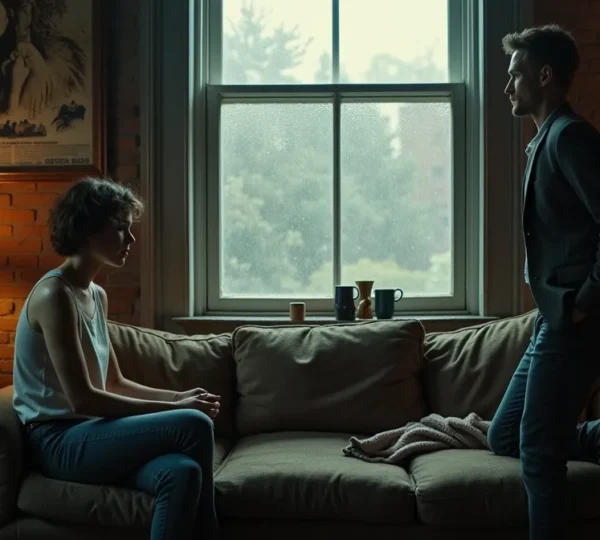
Why Indie Films Offer More Realistic Relationship Dynamics Than Hollywood
The realism you crave in cinema is not an accident of art, but a direct consequence of the independent film economy. Alternative funding models like crowdfunding grant directors the creative control to explore ambiguous, non-commercial endings that reflect real life….
Read more
Why Your 100mbps Connection Still Buffers on Friday Nights?
Contrary to popular belief, your 100mbps connection speed is rarely the cause of streaming buffers; the real culprit is unmanaged traffic congestion on your local home network. Your devices (TV, phones, laptops) are in a constant “traffic jam,” fighting for…
Read more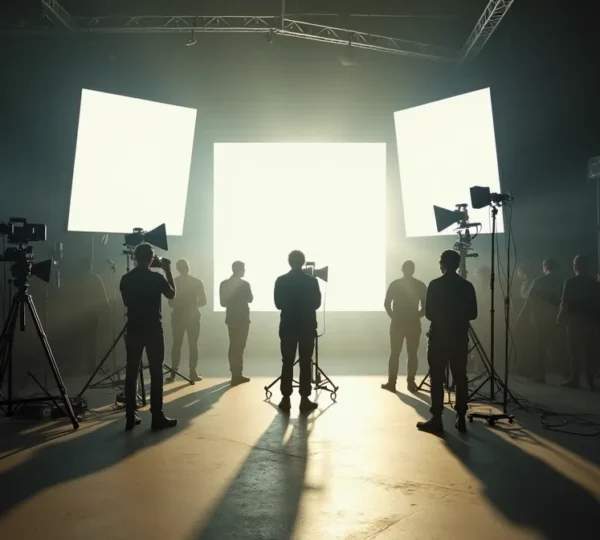
Why Knowing How Lighting Works Changes the Way You Watch Movies?
Contrary to popular belief, film lighting isn’t just about making actors visible; it’s a deliberate narrative language designed to subconsciously control your perception of the story. Technical “flaws” like continuity errors or the harsh lighting in indie films are often…
Read more
Why You Can’t Stop Watching After a Cliffhanger, Even When You’re Tired
Contrary to popular belief, your inability to stop watching isn’t a failure of willpower; it’s a predictable response to sophisticated narrative engineering designed to hijack your brain’s reward system. Cliffhangers exploit the Zeigarnik effect, a psychological tension created by unfinished…
Read more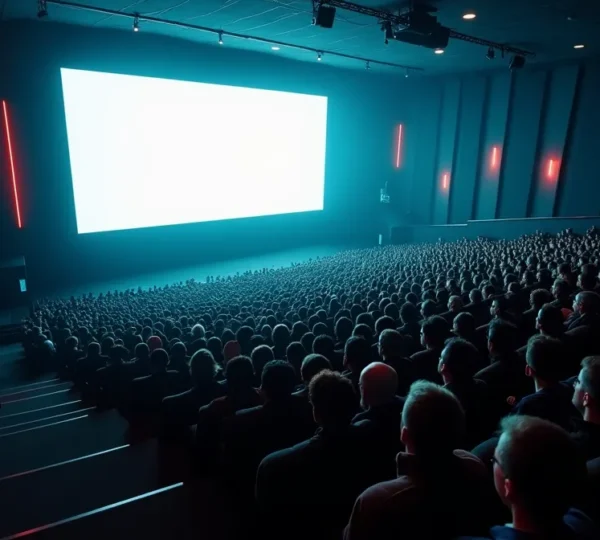
Why Opening Weekend Crowds Enhance the Blockbuster Experience
Contrary to the belief that waiting for streaming is just a matter of convenience, the opening weekend cinema experience is a fundamentally different, and neurologically superior, event. The shared experience of a crowd physically synchronizes audience brainwaves, amplifying emotional responses…
Read more
Why Your 4K TV Still Doesn’t Look Like the Movies?
The ‘soap opera effect’ is just the tip of the iceberg; your 4K TV’s failure to deliver a cinematic experience is a system-wide problem, not a single setting you can toggle. The physical limitations of your TV’s panel technology and…
Read more
Why We Seek Comfort in Complex Fictional Universes During Crisis?
Many assume turning to complex fictional worlds during a crisis is simple escapism. However, psychological research reveals a deeper truth: this immersion is an active cognitive workout. It triggers our innate drive for ‘structured exploration,’ allowing us to achieve a…
Read more