History & Heritage
Cultural heritage represents far more than dusty artifacts behind glass or faded photographs in archives. It encompasses the living traditions, skills, stories, and artistic expressions that connect us to our collective past while shaping our present identity. From the hands of a master craftsperson preserving centuries-old techniques to the reverberations of a symphony orchestra interpreting classical compositions, heritage manifests itself in countless tangible and intangible forms that demand our attention, understanding, and active participation.
Engaging meaningfully with history and heritage requires moving beyond passive observation. It involves developing the critical frameworks to distinguish authentic tradition from commercialized nostalgia, understanding the psychological and social dimensions of cultural transmission, and recognizing our personal role in either preserving or eroding these irreplaceable elements of human civilization. This exploration examines the multifaceted landscape of cultural heritage—from the workshop to the concert hall, from the museum gallery to the community festival—providing the foundational knowledge needed to become both an informed consumer and an active guardian of our shared legacy.
The Enduring Value of Traditional Craftsmanship
In an era dominated by mass production and algorithmic efficiency, traditional craftsmanship stands as a testament to human ingenuity, patience, and the pursuit of excellence beyond mere utility. Understanding what distinguishes authentic craft from its industrial counterparts requires examining not just the final product, but the entire philosophy that governs its creation.
Why Handmade Objects Outlast Their Factory Equivalents
The remarkable durability of traditionally crafted items stems from material selection and construction methods refined over generations. A handmade leather saddle, for instance, uses vegetable-tanned hide and hand-stitched seams that actually strengthen with age, whereas factory alternatives employ chemical tanning and glued components that deteriorate within years. This longevity isn’t accidental—it reflects a production philosophy where the maker’s reputation depends on objects surviving decades of use, creating an intrinsic quality control mechanism absent in anonymous manufacturing.
Distinguishing Authentic Craft From Marketing Theater
The commercial appeal of “artisanal” and “heritage” branding has spawned countless imitations that mimic traditional aesthetics while employing industrial methods. Genuine craft reveals itself through specific markers:
- Variation between pieces: Truly handmade items show subtle differences, as human execution naturally varies
- Evidence of tool marks and hand-finishing rather than perfectly uniform machine surfaces
- Materials with natural imperfections embraced rather than eliminated
- Transparent maker attribution with verifiable production lineage
- Repair services offered, indicating confidence in long-term product relationships
Supporting Artisans and Preserving Endangered Skills
Many traditional techniques face extinction not because they lack value, but because they cannot compete economically with mass production. Preserving these skills requires conscious consumer choices: purchasing directly from makers, accepting higher prices that reflect true labor costs, and commissioning custom work that keeps specialized knowledge active. When a master blacksmith, bookbinder, or lacemaker retires without apprentices, centuries of accumulated expertise can vanish within a single generation—a cultural loss as significant as a burned library.
Live Performance: The Irreplaceable Human Experience
Recorded media offers convenience and accessibility, yet live performance—whether theatrical drama, classical concert, or contemporary dance—provides psychological and sensory dimensions that no screen can replicate. Understanding what makes these experiences irreplaceable helps explain why performing arts remain vital heritage forms despite technological alternatives.
The Unique Psychology of Shared Presence
Live performance creates what researchers call collective effervescence—the heightened emotional state emerging when humans gather for shared artistic experience. The performer responds to audience energy, creating spontaneous interpretative choices impossible in pre-recorded formats. This reciprocal exchange activates mirror neurons differently than solitary viewing, enhancing emotional intelligence and empathetic capacity through witnessed human vulnerability and triumph.
Navigating Theater: From Seat Selection to Emotional Aftermath
Maximizing theatrical experiences requires practical preparation beyond ticket purchase. Seat location profoundly affects experience: orchestra center provides visual intimacy and design detail appreciation, while elevated positions reveal choreographic patterns and ensemble coordination. Understanding non-linear narrative structures—common in contemporary theater—prevents confusion and enables intellectual engagement with fragmented storytelling techniques.
Equally important is managing the emotional aftermath of powerful performances. Intense theatrical experiences can trigger unexpected psychological responses, from processing traumatic themes to confronting uncomfortable social realities. Allowing time for emotional integration rather than immediately rushing to other activities respects the art form’s transformative potential.
Classical Music Concerts: Acoustic Excellence and Social Ritual
The concert hall represents an architectural and social technology developed specifically for unamplified acoustic perfection. Understanding the conductor’s role as interpretive artist rather than mere timekeeper, recognizing instrument hierarchy within orchestral sections, and selecting programs matching your current attention capacity all enhance appreciation.
Concert etiquette serves functional rather than arbitrary purposes: silence between movements allows harmonic tension to resolve in listeners’ minds, while suppressing coughs during pianissimo passages preserves the composer’s intended dynamic range. For those new to classical music, programs featuring shorter works or familiar compositions reduce auditory fatigue while building listening stamina.
Museums and Cultural Institutions as Knowledge Guardians
Museums function as more than storage facilities for old objects. They serve as critical thinking laboratories where curated juxtapositions of artifacts, artworks, and information challenge assumptions, reveal hidden histories, and develop analytical frameworks applicable far beyond gallery walls.
How Curation Shapes Historical Understanding
Every museum exhibition reflects curatorial choices about what to display, what to omit, and how to contextualize objects. A colonially-acquired artifact presented without acknowledging extraction circumstances tells a fundamentally different story than one accompanied by repatriation discussions and source community perspectives. Developing awareness of these interpretive layers transforms passive museum visits into active dialogue with presented narratives.
Practical Strategies for Meaningful Visits
Cognitive science research reveals that museum visitors retain more from focused engagement with fewer objects than superficial exposure to entire collections. Effective strategies include:
- Selecting 5-7 specific items for deep observation rather than attempting comprehensive coverage
- Reading object labels after personal observation to avoid anchoring bias
- Visiting during off-peak hours when contemplative viewing becomes possible
- Using sketch documentation to force careful visual analysis
- Returning to single exhibitions multiple times as understanding deepens
Engaging Children and Addressing Repatriation Ethics
Introducing children to museum experiences builds cultural literacy when approached developmentally. Rather than passive touring, effective engagement involves object-based storytelling, comparative observation exercises, and connecting artifacts to children’s existing knowledge frameworks. Meanwhile, adults must grapple with increasingly prominent repatriation debates surrounding human remains, sacred objects, and looted cultural property—recognizing that ethical museum practice sometimes means empty display cases and acknowledged historical wrongs.
The Art Market: From Galleries to Personal Collections
Art galleries can intimidate newcomers with unspoken social codes and opaque pricing structures, yet understanding gallery dynamics empowers both aesthetic enjoyment and informed collecting regardless of budget level.
Overcoming Gallery Intimidation
The perceived exclusivity of art galleries often stems from architectural minimalism and staff aloofness that actually serve functional purposes: white walls eliminate visual distraction from artwork, while allowing visitors to view without immediate sales pressure. Galleries are public spaces where anyone can enter, view, and inquire about displayed work without purchase obligation. Simply requesting the price list and artist statement demonstrates genuine interest and typically elicits helpful information.
Decoding Pricing and Spotting Emerging Talent
Art pricing reflects multiple factors beyond aesthetic merit: artist exhibition history, critical reception, market demand, and work scale all influence valuations. Emerging artists—those typically under 35 without major institutional representation—offer accessible entry points for modest collectors. Spotting future talent involves recognizing technical mastery, conceptual originality, and consistent artistic vision across bodies of work. Attending art school graduate exhibitions, visiting artist-run spaces, and following grant recipient announcements reveal developing careers before gallery representation inflates prices.
Strategic Networking at Gallery Openings
Opening receptions serve as social and educational opportunities. Productive networking involves asking thoughtful questions about artistic process, listening to artist explanations of conceptual frameworks, and connecting with fellow attendees who share aesthetic interests. Gallery staff appreciate engaged visitors who might become future collectors, critics, or simply informed advocates for represented artists.
Folklore and Intangible Cultural Heritage
While museums preserve physical artifacts, folklore encompasses the living traditions transmitted through human memory and practice: oral narratives, festivals, traditional knowledge, and ritual performances that exist only in their active continuation.
The Psychology of Mythological Narratives
Folklore and mythology contain psychological archetypes—universal human patterns of behavior, motivation, and transformation—that resonate across cultures and historical periods. The hero’s journey, trickster figures, and creation narratives appear in diverse traditions because they map fundamental human experiences: coming of age, navigating moral ambiguity, and confronting existential questions. Engaging with these stories develops emotional literacy and cultural understanding while revealing how communities encode values and survival knowledge in memorable narrative forms.
Differentiating Historical Fact From Mythological Truth
Myths often contain historical kernels embedded within symbolic elaboration. The skill lies not in dismissing folklore as “mere fiction” but in recognizing different truth categories: historical accuracy versus psychological truth versus moral instruction. A flood narrative might reflect actual geological events while simultaneously teaching community resilience and environmental respect—both forms of valuable heritage knowledge.
Participating in Living Traditions
Folklore remains vital only through active participation. Attending local festivals, learning traditional songs, documenting elder knowledge, and supporting mother-tongue language preservation all constitute heritage work. Even adapting traditional narratives for contemporary audiences—through theater, literature, or digital media—keeps these stories relevant across generations when done with cultural sensitivity and community collaboration.
Preserving Heritage for Future Generations
Cultural preservation extends beyond professional conservators and institutional archives. Individuals possess both the capacity and responsibility to document, transmit, and revive heritage practices within their communities.
Amateur Documentation Techniques
Personal heritage preservation requires surprisingly modest technical resources. Recording family oral histories using smartphone audio, scanning photographs and documents at library facilities, and transcribing handwritten letters all create digital backups of irreplaceable material. The key is implementing consistent file naming conventions, multiple backup storage locations, and metadata tags enabling future retrieval. Waiting until elderly relatives have passed or physical materials have deteriorated eliminates preservation possibilities forever.
Funding and Sustaining Preservation Efforts
Heritage preservation faces chronic underfunding, yet multiple support mechanisms exist. Public institutions often welcome volunteer documentation assistance, grant programs fund community heritage projects, and crowdfunding platforms enable targeted conservation campaigns. For physical artifacts, balancing access with preservation requires understanding that handling accelerates deterioration—creating tension between public engagement and long-term survival that professionals navigate through replication, rotation, and controlled environment display.
Ethical Tourism and Heritage Respect
Cultural tourism generates revenue supporting heritage site maintenance while simultaneously threatening authenticity through commercialization and physical wear. Responsible heritage engagement means limiting visitor numbers when necessary, respecting sacred site restrictions, purchasing authentic crafts directly from makers rather than intermediary vendors, and recognizing that some traditions warrant privacy rather than tourist spectacle. Preservation ultimately requires valuing heritage integrity over personal access convenience.
Understanding history and heritage as living, evolving phenomena rather than static museum pieces transforms our relationship with cultural legacy. Whether selecting handcrafted objects, attending performances, engaging with museums critically, collecting art thoughtfully, participating in traditional festivals, or documenting family histories, each action either strengthens or weakens the cultural threads connecting past, present, and future. The choice—and responsibility—belongs to all of us.
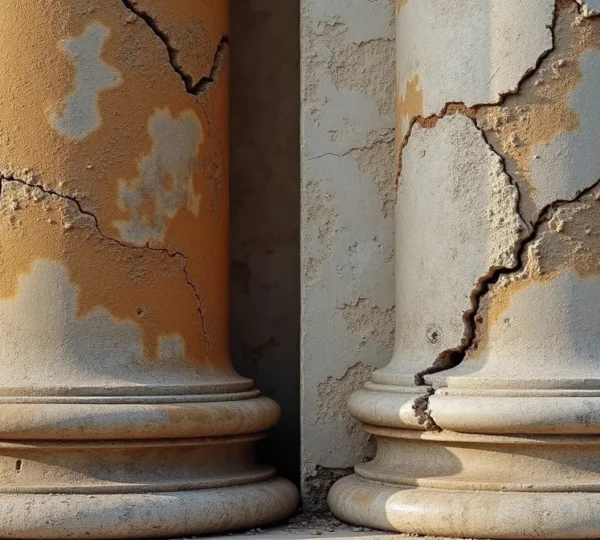
Why Ancient Engineering Often Outlasts Modern Concrete?
The durability of ancient structures isn’t due to a lost magic recipe, but a fundamentally different engineering philosophy: they were designed to evolve, not just resist. Roman concrete was a “living” material capable of self-healing cracks when exposed to water….
Read more
Why History Books Can’t Teach What Standing on a Battlefield Can?
Visiting a historical site isn’t just about seeing where events happened; it’s a powerful act of cognitive encoding that textbooks can’t replicate. Your brain uses spatial memory to build a durable mental map of events, drastically improving retention and understanding….
Read more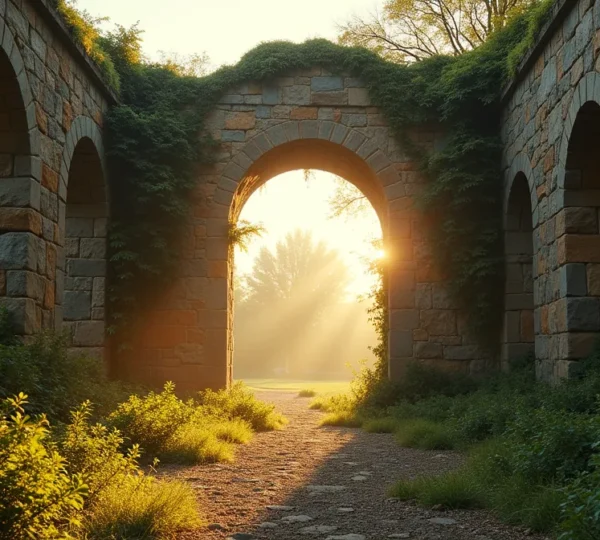
Why We Find Beauty in Abandoned Places and Crumbling Stone?
Contrary to popular belief, the beauty of ruins is not found in what they were, but in the imaginative space created by their incompleteness. The allure of decay transcends simple nostalgia or the thrill of discovery; it invites us into…
Read more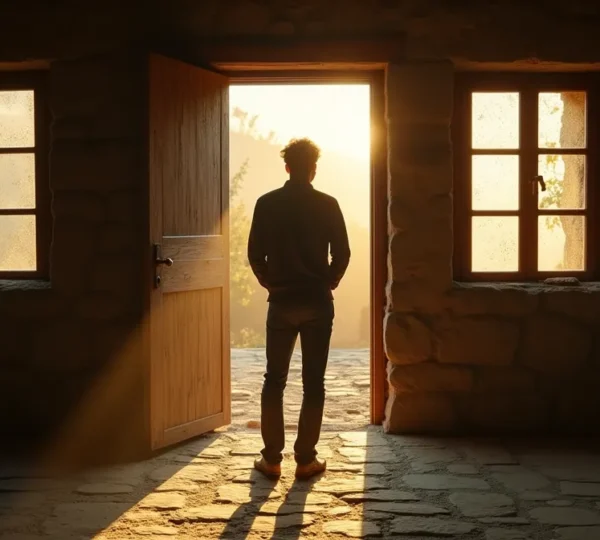
Why Visiting Your Ancestral Home Changes Your Definition of “Self”
Many believe an ancestral journey is simply an emotional experience of “connecting with the past.” The reality is far more profound. This journey is an act of neuro-historical archaeology, where the physical environment, forgotten records, and family myths converge to…
Read more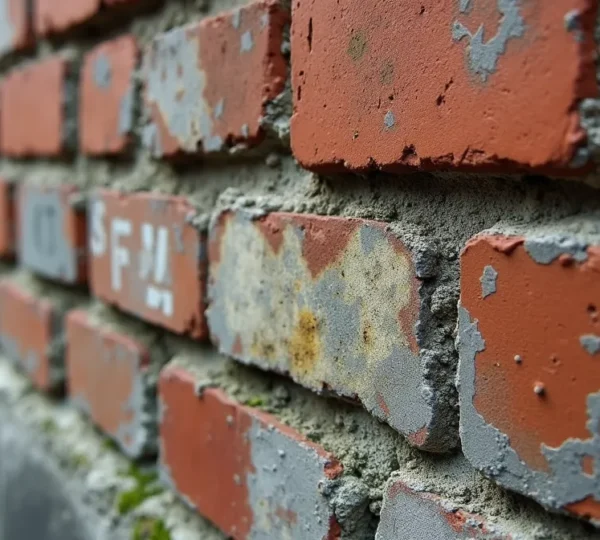
Why Reading Buildings Tells You More About a City Than a Guidebook?
The soul of a city isn’t found in a guidebook’s list of dates; it’s read in the architectural palimpsest of its streets—a living history written in stone, glass, and light. Architectural details, like window styles, are not just decorative; they…
Read more