Cultural Travel & Experiences
Cultural travel represents far more than visiting landmarks or checking destinations off a list. It’s about stepping into living narratives, engaging with traditions that have shaped communities for generations, and forming connections that transcend language barriers. While conventional tourism often skims the surface, cultural experiences invite you to understand the heartbeat of a place—its stories, values, and creative expressions that make each destination unique.
Whether you’re drawn to ancient heritage sites, vibrant festivals, traditional crafts, or intimate conversations with local artisans, cultural travel opens pathways to personal transformation. This approach to exploration challenges preconceptions, broadens perspectives, and creates memories rooted in genuine human connection rather than passive observation. Understanding how to approach these experiences thoughtfully ensures they benefit both travelers and the communities that generously share their heritage.
Why Cultural Travel Matters Today
In an increasingly interconnected world, cultural travel serves as a powerful antidote to homogenization. As global brands and digital platforms create similar experiences across continents, seeking out authentic cultural encounters becomes essential for understanding humanity’s beautiful diversity. These experiences preserve disappearing traditions by demonstrating their value to younger generations who witness outsiders’ genuine interest in their heritage.
Cultural tourism also generates economic opportunities for communities that might otherwise face pressure to abandon traditional practices for more commercially viable industries. When travelers invest in local guides, artisan workshops, or family-run guesthouses, they create sustainable income streams that honor cultural continuity. Research consistently shows that destinations emphasizing cultural authenticity experience more resilient tourism economies compared to those relying solely on mass-market attractions.
Beyond economic impact, these experiences fulfill a deeply human need for meaning and connection. Participating in a traditional tea ceremony, learning ancient weaving techniques, or joining a community celebration creates cross-cultural understanding that no documentary or textbook can replicate. These moments often become transformative, shifting how travelers see both the world and their place within it.
Types of Authentic Cultural Experiences
Cultural travel encompasses a rich spectrum of encounters, each offering distinct pathways to understanding a destination’s soul. Recognizing these categories helps you identify experiences that align with your interests and travel style.
Heritage Sites and Living History
Beyond passive observation, meaningful heritage experiences involve understanding the historical context and contemporary significance of sites. Working with knowledgeable local guides transforms ancient temples, archaeological sites, or historic neighborhoods from photo backdrops into narrative landscapes. The most compelling experiences occur when sites remain integrated into daily life—a mosque still hosting prayers, a market operating on the same spot for centuries, or artisans practicing crafts in ancestral workshops.
Festivals and Ceremonial Participation
Festivals offer concentrated cultural immersion, revealing values, beliefs, and artistic traditions through celebration. However, respectful participation requires understanding the distinction between tourist-oriented events and authentic community celebrations. Smaller regional festivals often provide more genuine experiences than internationally famous ones that have adapted significantly for visitors. The key lies in approaching these gatherings with cultural humility—observing protocols, asking permission before photographing, and recognizing when certain moments should remain private.
Culinary Traditions and Food Culture
Food serves as perhaps the most accessible entry point to cultural understanding. Market tours with local home cooks, participation in traditional meal preparation, or multi-generational family dinners reveal how cuisine intertwines with geography, history, economy, and social structure. These experiences illuminate ingredient sourcing, seasonal eating patterns, hospitality customs, and the stories embedded in regional dishes that have sustained communities through prosperity and hardship alike.
Traditional Arts and Craftsmanship
Witnessing master artisans practice centuries-old techniques—whether pottery, textile production, metalwork, or traditional performance arts—provides insight into the patience, precision, and cultural knowledge these crafts embody. Workshops allowing hands-on participation deepen appreciation for the skill these traditions require, while conversations with practitioners reveal how they balance preservation with innovation and navigate economic pressures in contemporary markets.
Planning Your Cultural Journey Thoughtfully
Meaningful cultural travel begins long before departure. Thoughtful preparation enhances both your experience and your positive impact on host communities.
Start by researching beyond guidebooks. Seek out perspectives from cultural anthropologists, local bloggers, and community organizations rather than relying solely on commercial tourism sources. Understanding basic historical context, current social dynamics, and sensitive topics helps you navigate conversations and situations with appropriate awareness. Learning even a handful of phrases in the local language demonstrates respect and often opens doors to more authentic interactions.
Consider timing carefully. Visiting during off-peak seasons often allows for more meaningful connections with locals who have more time and patience when not overwhelmed by tourist crowds. However, attending specific festivals or seasonal celebrations might justify peak-season travel if approached respectfully. Research whether certain sites or experiences have visitor restrictions based on religious observances, environmental protection, or community preferences.
Choose accommodations and tour operators aligned with cultural preservation values. Look for businesses owned by local community members, those employing fair labor practices, and organizations that reinvest tourism revenue into cultural preservation or education initiatives. Certification programs focused on sustainable and responsible tourism can help identify operators genuinely committed to these principles rather than merely using them as marketing language.
Immersing Yourself in Local Communities
The depth of cultural understanding correlates directly with the quality of human connections you form during travel. Moving beyond transactional tourist-local relationships requires intentionality, vulnerability, and genuine curiosity.
Homestays and community-based tourism initiatives offer perhaps the most immersive experiences available. Living with host families provides insight into daily rhythms, family dynamics, domestic traditions, and the realities of contemporary life that hotels can never reveal. These arrangements require cultural flexibility—accepting different concepts of privacy, cleanliness, punctuality, or communication styles without judgment. The discomfort that occasionally arises becomes part of the learning process, revealing your own cultural assumptions.
Skill-sharing and volunteer tourism, when approached ethically, create opportunities for reciprocal exchange rather than one-way observation. Teaching English conversation, sharing your professional expertise, or participating in community projects establishes relationships based on mutual benefit. However, avoid “voluntourism” that prioritizes travelers’ fulfillment over community needs, creates dependency, or takes employment from local workers. The best programs respond to community-identified needs and integrate visitors into existing initiatives rather than creating artificial projects for tourist participation.
Simply spending extended time in public spaces—parks, cafes, markets, places of worship (when appropriate)—allows for organic interactions. Traveling slowly, perhaps staying weeks rather than days in a location, enables you to become a familiar face, progressing from tourist to temporary community member. Regular vendors begin recognizing you, conversations deepen beyond pleasantries, and invitations to family meals or celebrations occasionally emerge.
Practicing Responsible Cultural Tourism
With the privilege of accessing others’ cultural heritage comes responsibility to ensure these experiences benefit rather than harm host communities. Responsible cultural tourism requires ongoing self-reflection and willingness to prioritize community wellbeing over personal convenience or photo opportunities.
Respect boundaries around sacred or sensitive cultural elements. Not everything is meant for outsider observation or participation. Certain ceremonies, sites, or knowledge may be restricted based on gender, initiation status, or cultural membership. Honor these boundaries without taking offense or attempting to negotiate exceptions. Photography particularly requires consent—some communities believe cameras capture souls, others simply deserve privacy during intimate moments, and commercialization of certain images may violate cultural values.
Economic exchanges should reflect fair value. While budget travel has merits, extremely low spending in developing destinations often means workers receive inadequate compensation or cultural resources are depleted without fair return. Pay asking prices for artisan work rather than aggressive bargaining that devalues skilled labor. Tip service providers generously when culturally appropriate. Purchase directly from artisans when possible rather than through intermediaries who capture most of the profit.
Consider your environmental footprint alongside cultural impact. Heritage sites suffer damage from excessive visitation—erosion, pollution, and infrastructure strain. Choose smaller group experiences, stay on designated paths, and avoid touching artifacts or structures. Support conservation efforts through entrance fees or donations to preservation organizations. Recognize that some fragile sites might benefit most from your decision not to visit, appreciating their existence without adding to visitation pressure.
Cultural travel ultimately invites us into a reciprocal relationship with the places and people we encounter. By approaching these experiences with preparation, respect, and genuine openness to transformation, we honor the communities sharing their heritage while enriching our own understanding of human creativity, resilience, and diversity. The memories we create become bridges between cultures, carrying forward the stories, skills, and values that make our world endlessly fascinating.

Why Walking a City Reveals Stories That Buses Miss?
Walking a city transforms you from a passive spectator into an active storyteller, embedding its narrative deep into your memory. Scientific research on embodied cognition proves physical engagement can improve memory retention by linking movement and sensory input. Actively navigating…
Read more
Why the Eiffel Tower Is Smaller—and a Better Experience—Than You Imagine
The letdown you feel at a famous landmark isn’t a sign of failure; it’s an invitation to a deeper, more authentic travel experience. Disappointment often stems from the gap between a curated social media fantasy and a living, breathing city….
Read more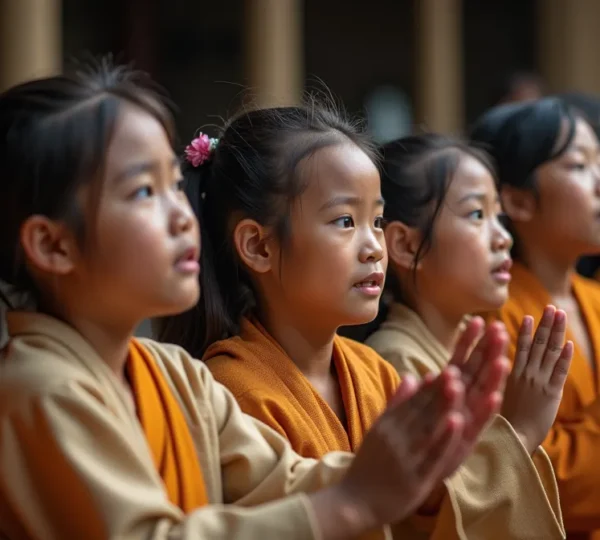
Why Participating in a Ritual Is More Memorable Than Watching One?
Many travelers believe that respectfully participating in a local ritual is about following a list of dos and don’ts. However, the key to a truly memorable experience lies deeper. It’s about understanding and entering the ‘ritual script’—the shared sequence of…
Read more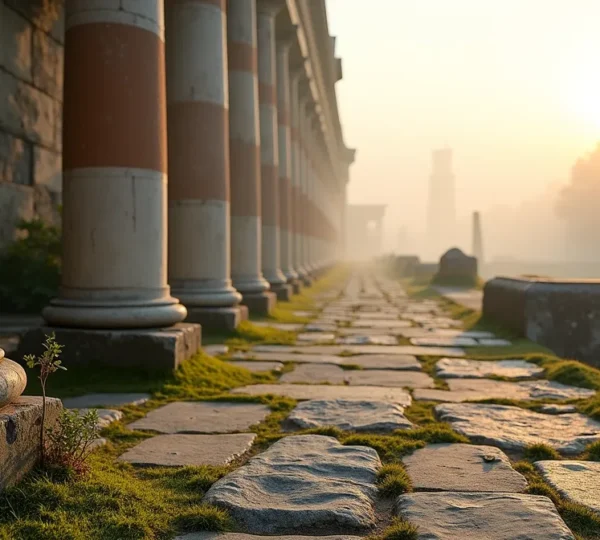
Why Some Ruins Feel “Alive” While Others Feel Like Piles of Stone?
The “aliveness” of a ruin isn’t in the stones, but in how our minds engage with their story. A powerful historical experience happens when a site provides just enough clues for our imagination to fill the gaps. Perfectly restored sites…
Read more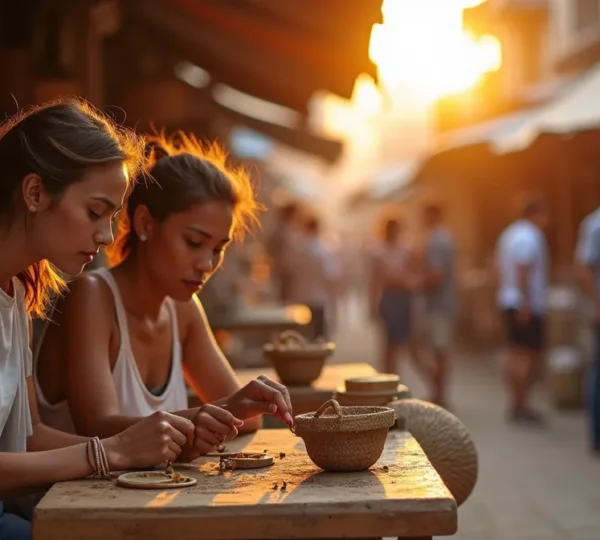
How to Plan an Immersive Trip That Changes Your Perspective Forever?
The secret to a life-changing journey isn’t visiting more places, but shifting your role from a passive cultural consumer to an active, humble participant. True immersion is a mindset, not a destination. It’s about contributing, creating, and connecting rather than…
Read more