Blog
Art and culture shape far more than museum visits or concert evenings. They form the invisible threads connecting us to others, provide pathways for creative professionals to build sustainable careers, and offer the essential tools for navigating an increasingly interconnected world. Whether you’re seeking deeper relationships, exploring independent creative work, or striving to communicate across cultural boundaries, understanding these intersections transforms abstract concepts into practical life skills.
This exploration examines three fundamental dimensions where art and culture intersect with contemporary challenges: cultivating meaningful human connections in an age of isolation, empowering creative entrepreneurs through digital commerce, and developing the cultural intelligence necessary for respectful cross-cultural engagement. Each dimension addresses real concerns facing people today, offering frameworks that move beyond theory into actionable understanding.
Building Meaningful Human Connections Through Cultural Engagement
Isolation has become a defining challenge of modern life, with recent research indicating that loneliness carries health risks equivalent to smoking fifteen cigarettes daily. Yet culture and shared creative experiences offer powerful antidotes, creating natural spaces for authentic connection.
From Isolation to Community: The Cultural Solution
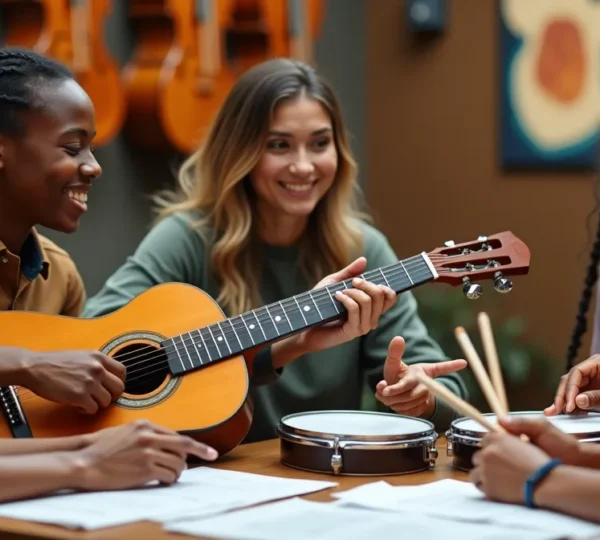
Intentional community building through cultural activities reverses isolation’s damaging effects. Book clubs, community theater, art classes, and local music gatherings provide structured social frameworks that reduce the pressure of forced socializing. Unlike networking events or algorithmic social media, these spaces unite people around genuine shared interests rather than transactional goals.
The key lies in consistency and contribution. Attending the same pottery class weekly creates familiarity; volunteering at a community arts festival builds collaborative bonds. Think of cultural communities as gardens requiring regular tending—the investment of time and presence yields relationships that sustain us through difficult periods.
Deepening Conversations: Moving Beyond Surface Interactions
Cultural engagement naturally facilitates the progression from small talk to meaningful dialogue. Discussing a theater performance or debating an artist’s intention provides safe entry points into deeper topics—values, experiences, perspectives—without the awkwardness of forced vulnerability.
Mastering this transition involves three practical elements:
- Asking open-ended questions about reactions and interpretations rather than yes/no queries
- Sharing personal connections to the cultural work before inviting others to do the same
- Following curiosity threads when someone reveals something meaningful, signaling genuine interest
Cultural content serves as the comfortable third point in a conversational triangle, allowing two people to explore ideas together rather than interrogating each other directly.
Sustaining Relationships Across Time and Distance
Maintaining bonds when separated by geography requires intentional effort. Shared cultural experiences create continuity: watching the same series and discussing episodes, reading the same book for monthly video calls, or sending each other music discoveries establishes ongoing dialogue threads that transcend physical presence.
Protecting emotional energy in friendships means recognizing that not every relationship requires constant intensity. Some friendships thrive on sporadic but meaningful contact centered around cultural exchanges—the friend who always recommends perfect books, the former colleague who shares exhibition reviews. Accepting varied friendship dynamics reduces guilt and preserves authentic connection over performative maintenance.
Empowering Creative Entrepreneurs in the Digital Marketplace
Independent artists, writers, craftspeople, and cultural producers increasingly build sustainable careers through digital commerce. Understanding the mechanics, costs, and strategies of online selling transforms creative passion into viable enterprise.
Understanding E-Commerce Models for Creatives
Creative entrepreneurs typically navigate three primary models, each with distinct advantages and challenges:
- Direct sales platforms (personal websites, Shopify stores) offering maximum control and customer relationships but requiring self-driven marketing
- Marketplace integration (Etsy, Redbubble, creative-focused platforms) providing built-in traffic but imposing platform fees and competitive saturation
- Dropshipping and print-on-demand partnerships eliminating inventory costs but reducing profit margins and limiting quality control
The dropshipping model particularly appeals to creators testing markets without upfront investment. However, understanding the risks proves essential: longer shipping times can damage reputation, you’re dependent on supplier reliability, and profit margins typically range between fifteen and thirty percent after platform fees—meaning substantial volume becomes necessary for sustainable income.
Building Trust and Managing Operations
Creative businesses live or die on social proof—the testimonials, reviews, and visible customer satisfaction that convince new buyers to trust an unknown seller. Strategically requesting reviews after positive interactions, showcasing customer photos, and maintaining transparent communication during fulfillment builds this crucial credibility.
Inventory management requires balancing investment against waste. Successful creative entrepreneurs often begin with made-to-order models, graduate to small batch production based on demonstrated demand, and only commit to significant inventory once sales patterns prove consistent. Think of inventory as frozen capital—money sitting on shelves cannot fund your next creative experiment or marketing push.
Smart Marketing for Independent Creators
Marketing automation tools transform sporadic creative promotion into systematic visibility. Email sequences welcome new subscribers, nurture interest, and announce launches without requiring daily manual effort. Social media scheduling tools maintain consistent presence while batching content creation into focused sessions.
The most effective marketing for cultural products emphasizes storytelling over selling. Sharing your creative process, explaining inspiration sources, and demonstrating expertise through valuable content builds audience investment in your success. Someone who has learned from your tutorials or felt moved by your artist statements becomes far more likely to support your work financially.
Navigating Our Multicultural World with Cultural Intelligence
Globalization, digital connection, and demographic shifts mean most people regularly interact across cultural boundaries. Developing cultural intelligence—the ability to function effectively in culturally diverse situations—has become essential rather than optional.
Developing Cross-Cultural Awareness and Empathy
Professional empathy in multicultural interactions requires moving beyond good intentions to informed understanding. This means recognizing that your cultural framework for interpreting behavior represents one lens among many, not universal truth.
Overcoming unconscious bias starts with acknowledging its existence. Everyone carries cultural conditioning—assumptions about appropriate directness, personal space, time orientation, and countless other dimensions. The question isn’t whether you have biases but whether you’re willing to examine and adjust them when they create misunderstanding or harm.
Learning through immersion—whether traveling, consuming media from other cultures, or building genuine friendships across difference—provides the experiential foundation that intellectual study alone cannot. However, immersion requires humility: entering as a learner rather than an expert, tolerating discomfort without demanding accommodation, and accepting that understanding develops gradually.
Reading Beyond Words: Communication Nuances
Non-verbal communication varies dramatically across cultures. Direct eye contact signals confidence and honesty in many Western contexts but conveys disrespect or aggression in various Asian, African, and Indigenous cultures. Physical proximity preferences, gesture meanings, and silence interpretation all follow culturally specific patterns.
Mastering these nuances involves three practical approaches:
- Observing before acting—notice how people around you navigate space and interaction before assuming your norms apply
- Adapting communication styles based on context while maintaining authenticity
- Asking clarifying questions when confused rather than making assumptions about meaning or intent
From Appropriation to Appreciation: Ethical Cultural Engagement
The distinction between cultural appreciation and cultural appropriation centers on power, permission, and credit. Appreciation involves learning about cultural practices with respect, acknowledging their origins, and supporting the communities they come from. Appropriation extracts cultural elements for personal benefit while ignoring context, history, or the communities’ perspectives.
Ethical cultural engagement requires asking several questions before adopting practices or aesthetics from cultures not your own: Do I understand the significance and context? Am I contributing to or extracting from this community? Would members of this culture feel respected or exploited by my engagement? Have I sought permission where appropriate and given proper credit?
These considerations aren’t about policing curiosity or enforcing cultural segregation. They’re about ensuring that cultural exchange enriches all participants rather than reinforcing historical patterns of extraction and erasure.
Art and culture provide far more than entertainment or decoration—they offer essential frameworks for building meaningful connections, creating sustainable creative careers, and navigating our complex, diverse world with intelligence and respect. By engaging intentionally with these dimensions, you transform passive consumption into active skill development, enriching both your own life and the communities you touch.
Why Cultural Exchange Programs Reduce Prejudice More Effectively Than Politics?
Political agreements often fail to change hearts and minds. This article argues that genuine prejudice reduction stems not from intellectual debate, but from embodied cultural experiences—like music, food, and art—that create neurological empathy and rewrite our subconscious perception of ‘the…
Read more
Why Your Online Fandom Feels Like a Second Family?
Fandom is not a passive hobby; it is an active psychological workshop for building a real-world sense of self. The characters and stories we love provide a “borrowed scaffolding” to explore our own values and identity in a safe environment….
Read more
Why Your “Online Community” Isn’t Curing Your Loneliness?
Your loneliness persists despite a vast online network because digital interaction systematically lacks the core psychological ingredients of genuine human connection. Real-world bonding is rooted in “embodied cognition”—subtle, non-verbal cues that digital platforms cannot replicate. True belonging requires “psychological safety”…
Read more
Why Strategic Volunteering Is the Ultimate Career Pivot Hack
Volunteering is the most undervalued tool for a career pivot because it’s the only way to gain direct industry experience, a high-density network, and leadership credentials before you’re even hired. Integrate volunteer roles into your ‘Professional Experience’ section on a…
Read more
How to Join a New Club Alone Without Having a Panic Attack?
The secret to joining a new club with social anxiety isn’t about “being brave”—it’s about being strategic. Focus on choosing clubs with structured activities (like board games or classes) that provide natural “social scaffolding.” Manage your social energy like a…
Read more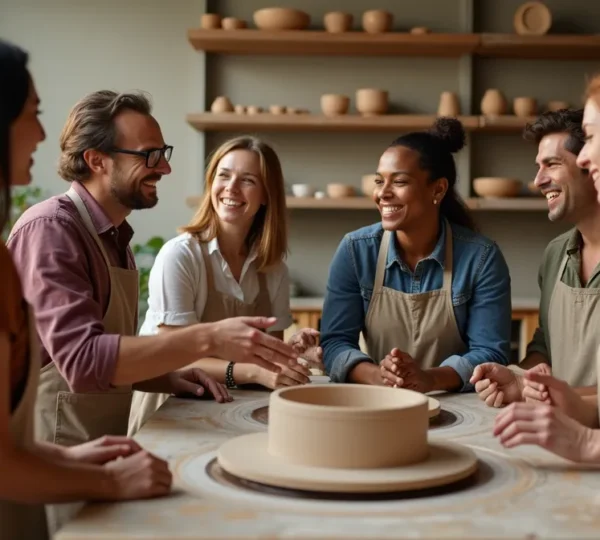
Why Your Local Community Club Is a Better Network Than LinkedIn
The most significant career opportunities aren’t found by scrolling through job boards; they’re discovered through genuine human connection in environments built on shared passion, not professional posturing. Local hobby groups and clubs are a gateway to the “hidden job market,”…
Read more
Why Limiting Yourself to One Culture Stifles Your Creativity?
Limiting your cultural diet to a single source isn’t just boring—it’s actively hindering your brain’s ability to innovate. Exposure to foreign art and concepts literally forges new neural pathways, boosting problem-solving skills. An ethical framework of Credit, Context, and Compensation…
Read more