Arts & Exhibitions
Arts and exhibitions represent one of humanity’s most powerful tools for cultural exchange, education, and emotional connection. Whether housed in grand museums or intimate galleries, exhibitions transform individual artistic visions into shared experiences that can challenge perspectives, preserve heritage, and spark meaningful dialogue across communities. For anyone seeking to deepen their understanding of how art reaches audiences, grasping the mechanics and philosophies behind exhibitions is essential.
The world of exhibitions encompasses far more than simply hanging paintings on walls. It involves careful curation, spatial design, storytelling techniques, and an evolving relationship between artists, institutions, and viewers. This comprehensive resource explores the fundamental aspects of arts exhibitions—from the diverse formats they take to the curatorial decisions that shape them, the cultural impact they generate, and practical approaches to experiencing them more fully. Whether you’re a curious beginner or an intermediate enthusiast, understanding these elements will enrich every gallery visit.
Understanding Different Exhibition Formats
Exhibitions come in remarkably diverse forms, each serving distinct purposes and offering unique experiences. Recognizing these formats helps visitors set appropriate expectations and appreciate the intentional choices behind each presentation.
Solo and Group Exhibitions
Solo exhibitions dedicate entire gallery spaces to a single artist’s work, allowing for deep exploration of their creative evolution, recurring themes, and technical mastery. These shows often reveal connections between pieces that might otherwise go unnoticed, offering insight into an artist’s complete vision. In contrast, group exhibitions bring together multiple artists around a central theme, medium, or concept, creating dialogues between different perspectives and approaches.
Permanent Collections Versus Temporary Shows
Museums typically maintain permanent collections—works owned by the institution and displayed long-term—alongside rotating temporary exhibitions. Permanent displays provide stability and allow repeated visits to beloved pieces, while temporary shows create urgency and freshness. Major institutions often dedicate separate wings to each, with temporary exhibitions frequently commanding higher admission fees due to their limited availability and special insurance requirements.
Retrospectives and Thematic Exhibitions
A retrospective surveys an artist’s entire career, often marking significant anniversaries or achievements. These comprehensive shows may span decades of work, revealing artistic development and contextual influences. Thematic exhibitions, conversely, organize works around concepts like “memory,” “landscape,” or “abstraction,” potentially including pieces from different eras, cultures, and media to explore how various artists approach similar ideas.
The Art of Curation: Shaping Meaningful Experiences
Behind every exhibition lies the crucial work of curators—professionals who research, select, and organize artworks to create coherent, impactful presentations. Understanding curatorial practices illuminates why exhibitions feel the way they do.
Selection and Narrative Building
Curators face the challenging task of selecting from potentially thousands of available works to tell a compelling story within spatial and budgetary constraints. This process involves extensive research into artists’ backgrounds, historical contexts, and thematic connections. A well-curated exhibition doesn’t simply display beautiful objects; it constructs a visual narrative that guides viewers through ideas, emotions, or historical moments. The sequence in which artworks appear matters tremendously—each piece influences interpretation of the next.
Spatial Design and Visitor Flow
The physical arrangement of artworks profoundly affects viewer experience. Curators collaborate with exhibition designers to determine optimal lighting, wall colors, spacing between pieces, and traffic flow through galleries. For instance, placing a particularly powerful work at the end of a gallery sequence can create a climactic moment, while grouping smaller pieces together might encourage close examination. Contemporary curators increasingly consider accessibility, ensuring diverse audiences can engage comfortably regardless of mobility, sensory abilities, or prior knowledge.
Interpretive Materials and Context
Effective exhibitions balance visual experience with contextual information. Wall texts, audio guides, catalogue essays, and didactic panels provide historical background, artistic techniques, and interpretive frameworks without overwhelming the artworks themselves. The best interpretive materials enhance understanding while respecting viewers’ capacity to form personal connections and interpretations.
How Exhibitions Shape Cultural Dialogue
Exhibitions function as more than aesthetic experiences—they actively participate in broader cultural conversations, influence artistic careers, and can even reshape historical narratives. Their impact extends far beyond gallery walls.
Major exhibitions often generate significant media coverage and public discourse, bringing attention to underrepresented artists, forgotten movements, or urgent social issues. A groundbreaking exhibition can rehabilitate an artist’s reputation, challenge prevailing art historical narratives, or introduce entire communities to new forms of creative expression. For emerging artists, inclusion in prestigious group shows or securing a solo exhibition at a respected venue can prove career-defining, opening doors to collectors, critics, and institutional recognition.
Exhibitions also serve educational functions, particularly when accompanied by public programming such as lectures, workshops, artist talks, and family activities. These extensions transform passive viewing into active learning, fostering deeper appreciation and encouraging visitors to see connections between art and their own lives. Many institutions now view their exhibition programs as platforms for community engagement, creating spaces where diverse voices contribute to cultural meaning-making rather than simply receiving institutional messages.
Furthermore, blockbuster exhibitions generate substantial economic impact, attracting tourism, supporting local businesses, and justifying continued public and private investment in cultural institutions. Cities compete to host major traveling shows, recognizing their value beyond culture—as engines of economic vitality and civic pride.
Experiencing Art Exhibitions Meaningfully
Visiting exhibitions becomes more rewarding when approached with intentionality and openness. Several practical strategies can enhance appreciation regardless of prior art knowledge.
Preparation and Mindset
Brief research before visiting—reading about the exhibition’s theme, featured artists, or historical period—provides helpful context without diminishing the surprise of encountering works firsthand. However, arriving with beginner’s mind, open to unexpected reactions and personal interpretations, often yields the most memorable experiences. Remember that “understanding” art doesn’t require specialized knowledge; authentic emotional and intellectual responses hold genuine value.
Strategic Viewing Approaches
Museum fatigue is real. Rather than attempting to see everything, consider these approaches:
- Selective depth: Choose a few works that resonate and spend significant time with them, noticing details, contemplating emotions they evoke, and reading related materials thoroughly
- Multiple visits: Return to exhibitions when possible; repeat viewings often reveal aspects missed initially
- Strategic timing: Visit during off-peak hours for quieter, more contemplative experiences
- Fresh perspective: Start from the end or middle rather than following the suggested path, sometimes disrupting intended narratives leads to personal discoveries
Active Engagement Techniques
Transforming viewing from passive to active deepens connection. Try sketching artworks (where permitted), writing brief notes about immediate reactions, or discussing pieces with companions. Many visitors find that verbalizing observations—even silently to themselves—clarifies responses and raises new questions. Don’t hesitate to revisit works; returning to a piece after seeing others often changes perception.
The Evolving Gallery Landscape
The exhibition world continues transforming in response to technological innovation, changing audience expectations, and broader cultural shifts. Understanding current trends reveals where arts presentation is heading.
Digital and hybrid exhibitions have expanded dramatically, offering virtual gallery walkthroughs, augmented reality enhancements, and online-exclusive presentations. While some feared these would replace physical visits, they’ve largely proven complementary—providing access to those unable to travel while whetting appetite for in-person experiences. Virtual exhibitions democratize access, allowing global audiences to engage with collections previously limited by geography.
Contemporary institutions increasingly embrace participatory and interactive elements, moving away from the traditional “don’t touch” model. Installations specifically designed for visitor interaction, social media-friendly spaces, and exhibitions inviting audience contribution reflect recognition that engagement styles have evolved. Younger audiences particularly expect opportunities for co-creation and dialogue rather than purely receptive experiences.
There’s also growing emphasis on diversity, equity, and inclusion in exhibition programming. Institutions are actively working to present broader ranges of artists across gender, race, geography, and artistic tradition, acknowledging that historical exhibition practices often reflected narrow perspectives. This evolution includes reconsidering permanent collection displays, commissioning new works from underrepresented voices, and involving diverse communities in curatorial decision-making.
Finally, sustainability concerns are reshaping exhibition practices. Museums are examining the environmental impact of shipping artworks internationally, creating elaborate temporary installations, and maintaining climate-controlled facilities. Some institutions now prioritize regional artists, digital displays, and recycled exhibition materials as part of broader ecological responsibility.
Arts and exhibitions remain vibrant, essential components of cultural life—spaces where creativity meets community, history intersects with contemporary concerns, and individual expression finds collective resonance. By understanding the formats exhibitions take, the curatorial decisions shaping them, their broader cultural impact, and strategies for meaningful engagement, you equip yourself to participate more fully in these enriching experiences. Every exhibition visit offers opportunities for discovery, reflection, and connection, whether you’re encountering familiar masterpieces or challenging contemporary works. The gallery awaits, ready to expand your perspective.
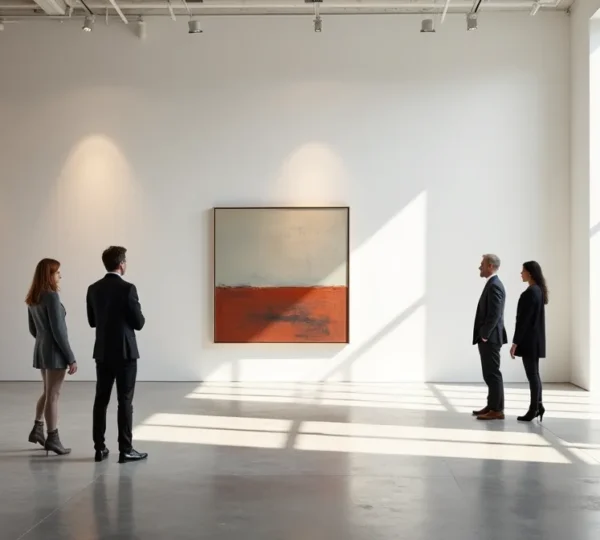
How Owning ‘Fine Art’ Redefines Your Social Standing
Owning fine art is not about personal taste; it is a calculated performance of cultural capital used to navigate and ascend social hierarchies. Your preference for a specific art movement, like Abstract Expressionism, is a class signifier, not just an…
Read more
Why Small Regional Galleries Find the Next Big Artist Before NY/London?
Finding the next great artist isn’t about luck; it’s about understanding the hidden supply chain of the regional art world. Regional galleries act as vital R&D labs, giving you an “informational edge” that is impossible in efficient, global markets. Your…
Read more
Why Do Museums Drain Your Brain More Than a Mountain Hike?
Contrary to popular belief, museum fatigue is not just about tired feet; it’s a cognitive battle caused by the friction between the museum’s prescribed narrative and your own personal interpretation. Your brain burns significant energy resisting or conforming to curatorial…
Read more
AI Art Is Here: Why ‘Human-Made’ Is About to Become an Artist’s Most Valuable Asset
Contrary to the fear that AI will devalue artists, its infinite output actually makes verifiable human creativity a scarce and premium asset. The art market is shifting to prioritize provenance, where the story and verifiable human touch behind a piece…
Read more
Why Sculpture Transforms a Room More Effectively Than Flat Art?
A sculpture’s true power isn’t in what it depicts, but in how it commands the space, light, and volume around it. It acts as an “architect of light,” actively creating drama, casting shadows, and defining the mood of a room….
Read more
Why Fine Art Can Outperform Equities in an Inflationary Climate
While many view art as a simple tangible asset, its true potential as an inflation hedge lies not in its physical form, but in the structural inefficiencies and information asymmetries of its market. Superior returns often come from exploiting price…
Read more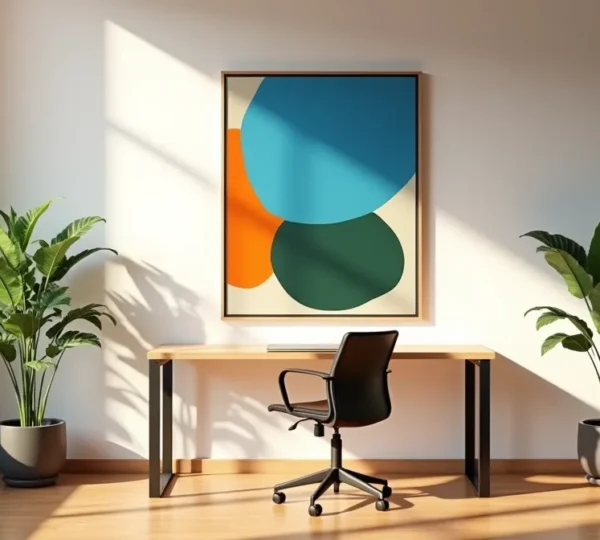
Why Visual Art in Your Workspace Boosts Creative Output by 15%?
Boosting creativity isn’t about waiting for inspiration; it’s about building a sensory environment that manufactures it. Specific colors and sounds (like blue hues and pink noise) are scientifically proven to enhance focus and cognitive performance. Three-dimensional art like sculpture alters…
Read more